




October 2025
Minute read
WHAT IF THE WORLD WERE 1,000 GIRLS?
Understanding what challenges girls still face in 2025








Even in 2025, millions of women and girls face violence, abuse and inequality simply because of their gender.
To help us grasp the extent of this injustice, let’s imagine that the world was made up of just 1,000 girls. How many would suffer just for being who they are?
Jump to:
If the world were just 1,000 girls…
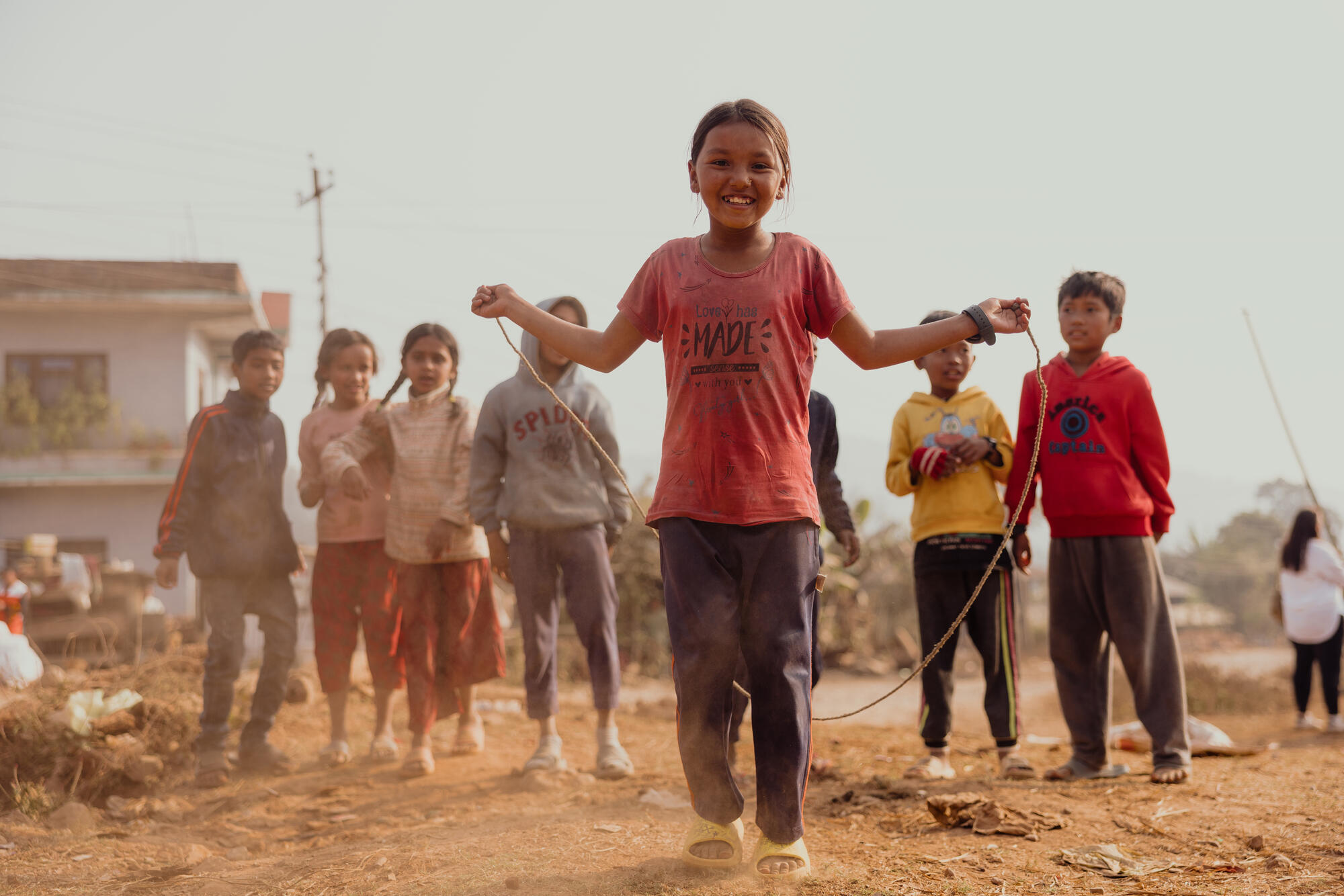
If the world were just 1,000 girls… 188 would be married while young
Global strides have been made to reduce child marriage rates – especially in South Asia, where the risk has dropped from 40% to 25%. But in countries like Niger, more than 75% of girls are still married before 18. Globally, the risk is still high, with almost 1 in 5 girls getting married before they turn 18.
Sarah’s story
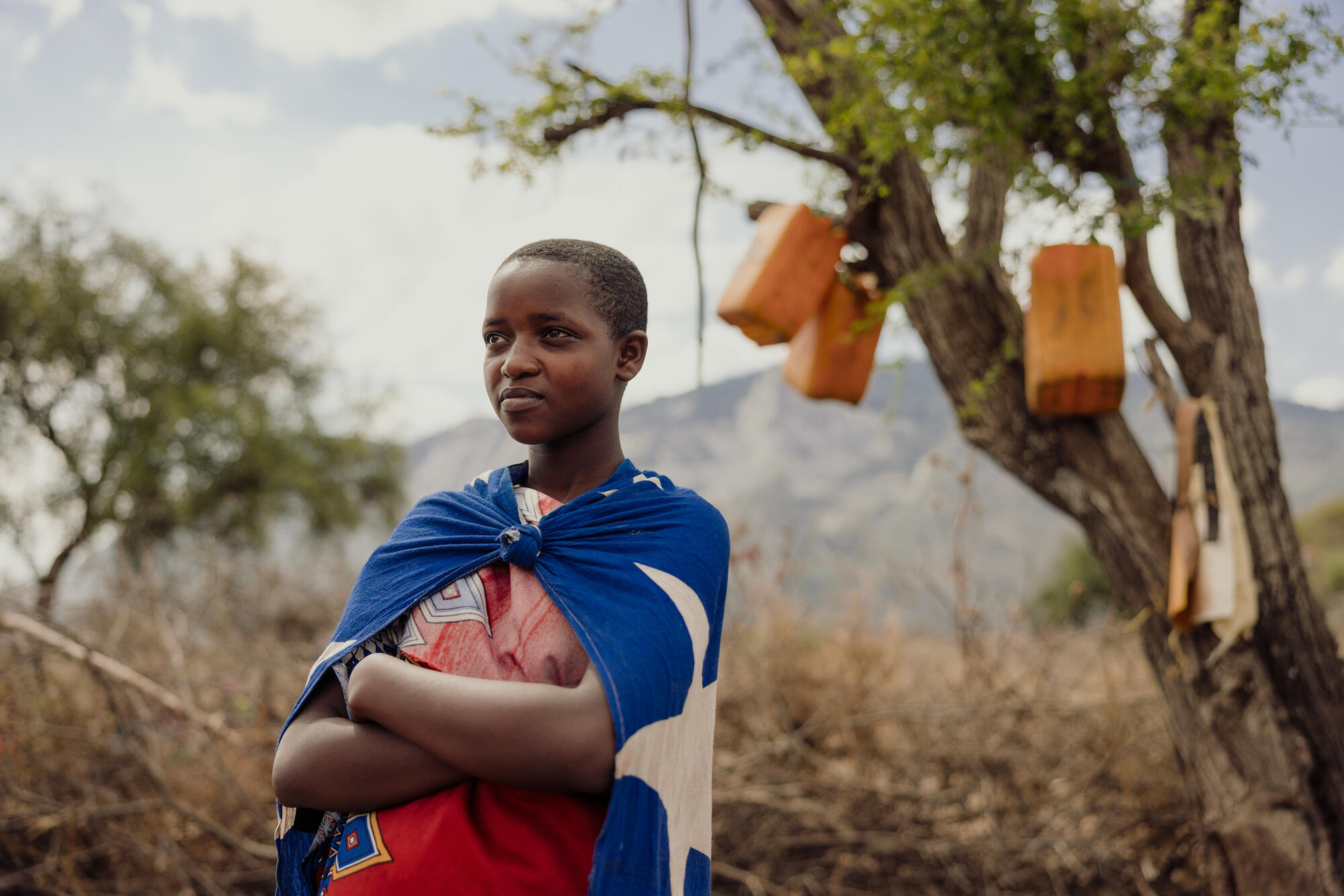
When Sarah was old enough to start school in Tanzania, her mother said no – she had to stay home to care for five younger siblings. Later, her brothers were sent to school, but she remained at home. Her parents believed marriage was a better path for her. She was only 10.
But Sarah’s dream was different. In a community where girls’ education was not prioritised, she stood up for herself. She received help from the village leader, who, with World Vision’s support, was able to get her back to school. With support, she caught up quickly and is now top of her class!
Thanks to Child Sponsorship, savings groups were created in her community, boosting financial independence. When families earn more, daughters like Sarah are more likely to attend school and avoid early marriage.
Now, Sarah dreams of becoming a teacher – a future that would have been stolen if she had married young.
126 would be out of school
According to a report from UNESDOC, 75% of children worldwide are enrolling in school at age 5. This is good news, since global experts agree that one of the biggest opportunities to end extreme poverty is to invest in girls’ development. And yet, 119 million girls remain out of school – and without education, the cycle of poverty continues.
Glory’s story
At Glory’s school in rural Tanzania, 600 students share just nine teachers. Leaky roofs and scarce supplies have always been a problem. But, as she grew older, she faced an even greater challenge: her period.
Menstruation is a taboo subject in Glory’s community. Sanitary products are inaccessible and unaffordable. To make matters worse, the bathrooms at school had no privacy or water, making it impossible to manage a period at school. This meant girls would stay home, missing valuable learning time.
Since the Child Sponsorship programme opened in her community, Glory now has access to clean, private toilet blocks, water taps, and pads. The curriculum has also expanded to include lessons on puberty and menstrual health for both boys and girls, to reduce shame and stigma. These changes have kept Glory and her peers in school – and kept their dreams alive.
125 would be at risk of forced sex
Sexual violence is a fundamental violation of human rights – and for women and girls who experience it in childhood, the impact is especially devastating. The first-ever global report on the issue showed that 370 million girls and women alive today experience sexual violence as children, revealing the alarming prevalence of this abhorrent issue.
Warning: The following story contains themes some readers may find disturbing
Amsalech’s* story
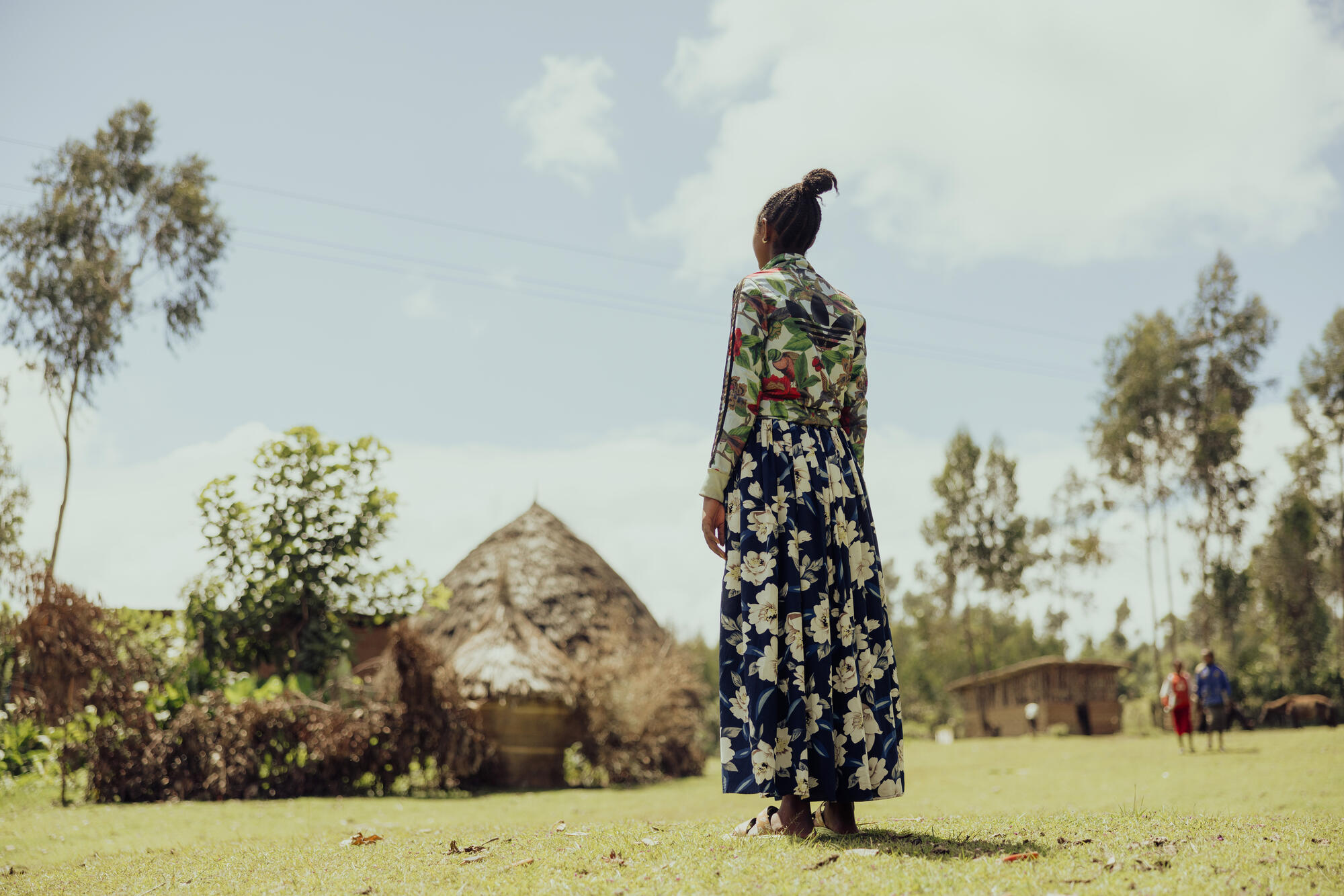
On her way to market in Ethiopia, Amsalech was abducted by a group of men. One wanted to make her his wife. For nearly a month, she was held captive and assaulted daily.
Finally, with the help of World Vision staff, the police found Amsalech’s abuser and took him into custody. His family pressured her to defend him, but Amsalech had learned about her rights at school, so she bravely told the truth. Thankfully, her attacker was brought to justice.
The girls in her community who survive sexual violence often face stigma and blame. But through Child Sponsorship, girls like Amsalech have access to counselling and are offered safe places to live, attend school, and begin to find recovery and healing.
65 would be child labourers
Child labour is the exploitation of children who are either too young to work, or are forced into work that puts their physical, mental, social or educational development at risk. Some work long hours in factories or in domestic services. Others are in forced labour, including child soldiers and sexual exploitation. Girls are especially vulnerable to unpaid domestic work, often forced to leave school and sacrifice their future.
According to UNICEF, 1 in 5 adolescents aged 15-17 is engaged in child labour.
Rachana’s* story
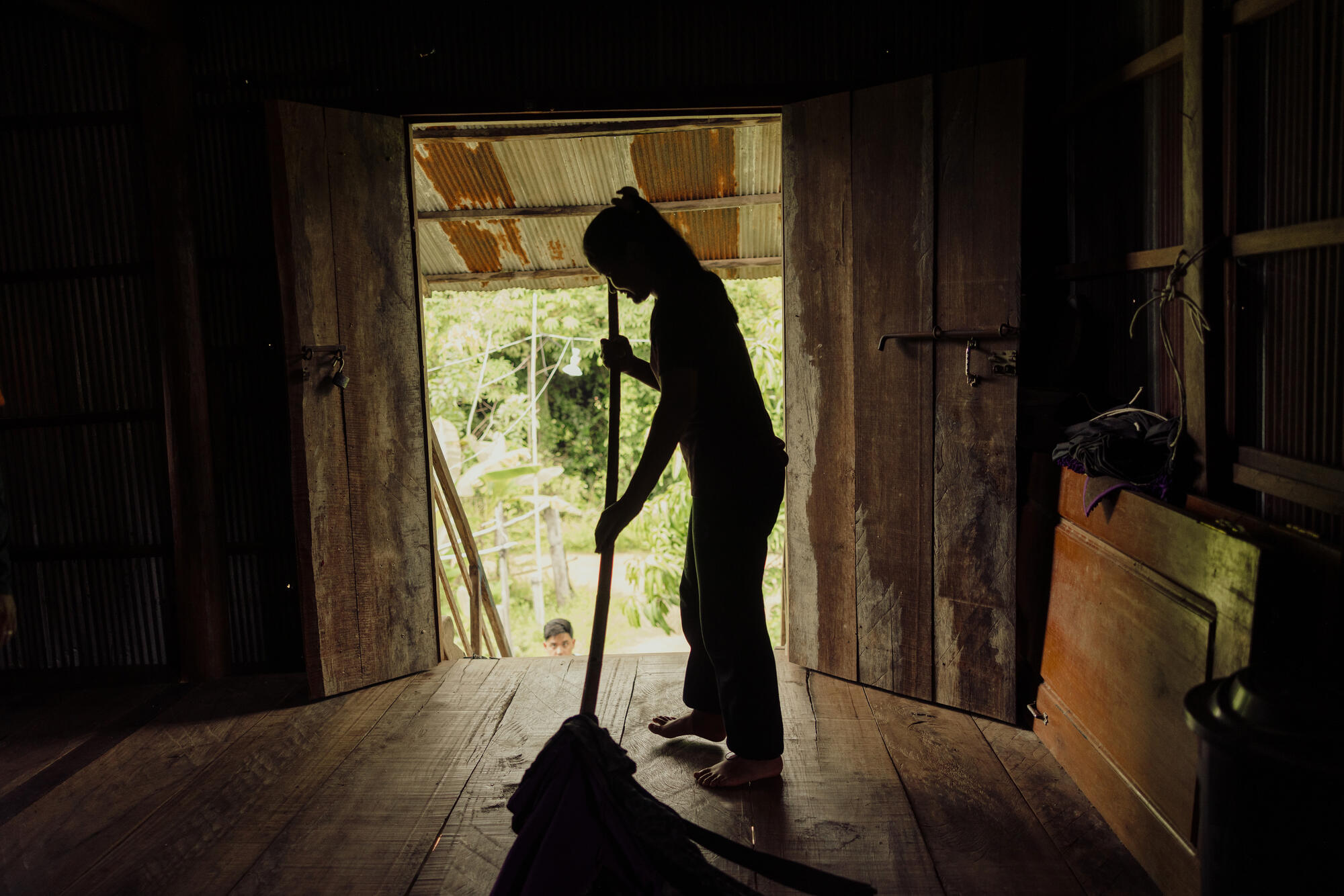
In Cambodia, Rachana’s father was abusive and addicted to alcohol and gambling. Her mother, the sole provider for six, eventually pulled Rachana from school to help the family survive.
That was almost the end of Rachana’s school career, but thankfully, sponsorship stepped in. With support from World Vision, the family gained support to earn an income. Rachana’s father attended workshops on positive parenting and ending violence. Rachana herself learned about child rights and healthy relationships and became a youth club leader.
She just completed her final high school exam – and feels hopeful for what comes next.
5 would face FGM this year
More than 230 million girls and women worldwide have undergone female genital mutilation (FGM), a 15% increase in the past eight years. FGM is a deep-rooted practice, but it can be stopped. Child Sponsorship protects girls by helping them understand their rights and encouraging them to speak out. Parents, teachers, faith leaders and other community members also come to understand which practices are harmful.
Abigael’s story
At just 13, Abigael was told she would be married off to help her father secure a dowry for a second wife. Her refusal came at a cost – she was disowned and pressured to undergo FGM. Knowing what that would mean for her future, she ran away – twice. The second time, she reported her situation to local authorities and was placed in a safe school for girls supported by World Vision.
With World Vision’s help, Abigael not only received protection and an education, but also found a community that cared for her. She now dreams of becoming a nurse so she can help other girls like her. Sponsoring a girl doesn’t just help them go to school, it works with entire communities to protect girls from practices like FGM and child marriage by educating families, equipping local leaders, and empowering girls to know and stand up for their rights.
5 would be victims of child trafficking
Child trafficking is a form of modern-day slavery. Children are trafficked for purposes such as domestic labour, armed groups, criminal activity, and even adoption. Even if they escape, the physical and emotional trauma has a long-term impact – the fear, abuse and stigma that children can experience may make it difficult for them to reintegrate into society and rebuild their lives.
38% of all trafficking victims are children, with girls under 19 being most often trafficked for sexual exploitation.
Tigist’s story
At 16, Tigist was approached by strangers promising a lucrative job overseas. Tigist would be hired as a professional housemaid, with a big monthly salary. They told her to quit school. She was unsure what to do next.
She reached out to her local World Vision staff and told them about her encounter. Thanks to their training and support, Tigist was able to recognise the warning signs. Her would-be traffickers were arrested.
Today, Tigist is more determined than ever to stay in school. “Education is the best way to live one’s dream,” she says. “It’s how I’ll support my mum.”
Women and girls make up the majority of trafficking victims and are three times more likely than boys to suffer extreme violence.
Help rewrite the future for 1,000 girls
For every girl like Sarah, Glory, Amsalech, Rachana, Abigael, and Tigist, there are hundreds more at risk of having their futures derailed by violence, injustice or neglect. Out of 1,000 girls, far too many still face harsh realities simply for being born girls – but it doesn’t have to stay that way.
Child Sponsorship is changing lives. Join the movement to sponsor 1,000 girls by October 11, International Day of the Girl.